Showing posts with label Wildlife. Show all posts

05 May 2016

Nara (Japan) - Endeering Moments at Nara Park

Date of Heavy Petting : 2 Apr 2016

“Okay, enough. This will be the last deer photo or we won’t have time to check out the other sights in Nara,” I announced after umpteenth shots of the critters.

“Yes, we should keep moving and not stop to take more photos of the deer,” Lucas agreed while contorted in an awkward squat to frame yet another deer portrait.

After we reached that agreement, I lost count of the number of times we repeatedly made those statements to each other, over and over again.  

We just couldn't stop ourselves from taking photos because the deer are just too adorable!

You know how it is almost impossible to get an animal to look into the camera when taking a wefie and this just happened! Priceless :o)
Deer being such timid and elusive animals who shy well away from human contact, I was rather apprehensive about our chances of up-close encounters but my fears were unnecessary. Deer are everywhere! There are adult male deer (buck), female deer (doe) and their younglings (fawn) all over the park.

We encountered our first deer not too far a walk from Kintetsu Nara Station (the nearest train station to the park) and it was non-stop snapping of those furballs from then on.

Warning... Cuteness ahead.

There are around 1,200 free-roaming wild deer in the park and they are considered a national treasure in Japan. In Shinto (a Japanese folk religion), the deer is a messenger of the gods and held in high regard, much like cows are sacred to Hindus.

Other than posing for photos with the deer, we could also feed and for some, pet them. The deer we came across were mostly very tame with a couple who nibbed at my t-shirt to be fed special deer biscuits that are sold around the park.

A sure way to attract the deer to you is to arm yourself with shika sembei (deer biscuits). A bundle sells for ¥150 and there are vendors selling them throughout the park. This obasan was rather fierce though, don't attempt taking a photo of her and the biscuits unless you want to be scolded. If I spoke Japanese, I would tell her that I only wanted on record of how a biscuit sales station looks like.

As soon as I got the biscuit, a buck suddenly became my biggest fan and wouldn't let me out of his sight.

Deer Feeding at Nara Park

There is a special technique when feeding Nara's deer. You can make them bow before being given the shika sembei. Here's how...

Step 1 : Break a small piece of the biscuit and hold it over the head of the deer, beyond its reach. It will start to bow its head. You can then reward it with the treat or...

Step 2 : Put your hand with the biscuit behind your back. The deer should bow a second time.

Step 3 : Then place the biscuit over its head again like Step 1 and the deer will bow a third time. That's when you give it the biscuit.

I placed a biscuit piece over the head of a buck and it bowed! So polite! But mostly, to cut short the teasing process process, most of the deer automatically start bowing when they see you holding treats.

This was one of the earliest deer I encountered and fed it the most. It started to follow me around for a bit. Such a dear it was. Being at Nara Park felt like walking into a huge play pen of cute furry pets.

The species at Nara Park is known as Sika Deer (Japanese spotted deer) that are reddish brown in colour with spots on their backs (think Bambi). In Mandarin, they are known as 梅花鹿 (plum blossom deer). However, the deer grow a coat of thicker brownish coat which hides their spots during winter.

We came during the sakura season in Japan (late March to early April when winter transits to spring) and the deer have yet to shed their winter coat so we didn't see the characteristic spots. The species is also sometimes known as whitetail because, well, the following photo explains it...

We saw an elderly couple who were like the godparents to the deer because they just gathered around them and allowed them to stroke, touch and caress them. When I tried to do that, even with the biscuits, the welcome was still wary.
梅花鹿与梅花树! The sakuras were in bloom and made for a wonderful backdrop to photograph the deer. What's not so wonderful was the hordes of tourists during Japan's busy cherry blossom season... and I'm one of them.
A buck and his doe. It's not easy to meet a partner who will be by your side. Sika Deer are not monogamous and bucks will mate with more than one female. But it's nice to see this pair being soul mates, even if it's just temporary.
A buck peeping out from the corridor of stone lanterns at Kasuga Taisha Shrine. The shrine is one of the key attractions at Nara and presents a markedly different backdrop to photograph the deer in. So fortunate to bump into the moment when this fella popped its head out in the cutest manner with ears pointing forward!
A fawn that was molting its winter fur and sprouting little antlers on its head. Adult bucks in Nara Park have their antlers cut-off yearly during a ceremony in October. The cutting of the antlers is a safety precaution for visitors as the antlers are actually weapons of the deer deployed during mating season to battle for the right to inseminate females.

The antlers go through a growth cycle of about a year where they become fully formed by winter and automatically drop off during spring for a new set to grow. When the antlers are in their growing phase, they are covered in a coat of velvety hair that transports blood and oxygen to form the antlers. The material used to grow the antlers are similar to the organic material of human fingernails. Once the antlers mature, where blood supply no longer feed their growth, they start to harden and die off so cutting the antlers at this stage does no harm to the animal. It's just like us cutting our finger or toe nails.
The deer at Nara are wild animals so they retain their basal instincts even though they are accustomed to humans. The older are familiar with tourists and can be aggressive in demanding biscuit treats but the younger fawns don't like human contact and will sprint away if people get too close. But they are the cutest and hard to resist a more intimate encounter.

I stood in place for quite some time with biscuits in hand to make this pair comfortable with me before taking this up-close shot of the young ones.
If a deer is sleeping, I would refrain from going close to them to allow them their rest but I swear these were awake when I approached for a shot and petting them. I think they were closing their eyes hoping for a sweet dream rather than the nightmare that has descended. LOL. But seriously, if a deer is sleeping, leave it alone and let it rest.
Coming to Nara and meeting the resident wild Sika Deer was one of the crowning highlights of my trip to Japan because it is not everyday that we can get so intimate with these docile, gentle beasts.

Oh what dear (deer) moments to remember a trip to Japan by! :o)

Related Posts :

Kasuga Taisha Shrine of Lanterns 

Todaiji : The Great Eastern Temple of Shingon Buddhism

18 November 2014

Wild Sydney : Taronga Zoological Park

Date of Exploration : 29 September 2014

I love zoos but their remote locations usually make them quite a trip to Mars. Not Taronga Zoo though. Located just a 15-minute boat ride from downtown Sydney at Circular Quay, the city's resident wildlife attraction is as easily accessible as a dog's tongue finding its nose.

Opened in 1916, the 52 acres zoo houses more than 2,600 animals from 340 species. Of the species, most of them are found exclusively in Australia with a collection of animals from other continents. I've wanted to come by Taronga Zoo during previous vacays in Sydney but the steep ticket price would have its teethmarks felt on my travelling budget.

Thankfully, on this trip, my friend from Sydney graciously lent me his transferable annual pass to the zoo so my wish for a visit was realised. It's for me to visit my 'relatives', he said...

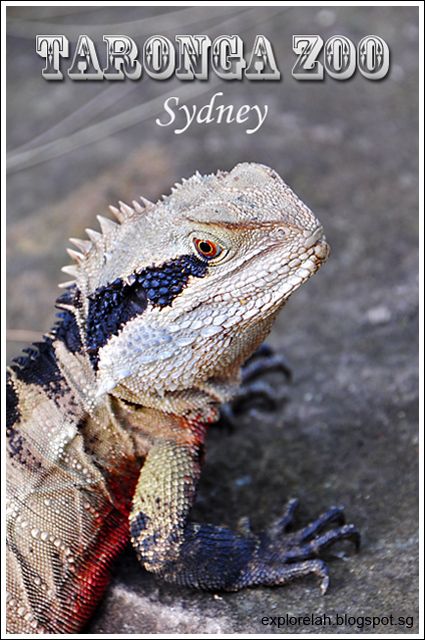
Stepping onto the park grounds, this Australian Eastern Water Dragon strutted across my path to bake on a nearby rock. Such a delight!
Getting to Taronga Zoo

There are 2 ways to get to the zoo... by bus or ferry. I took the ferry option as it is the easiest and more scenic. A ferry departs half-hourly from Circular Quay (Wharf 2) for Taronga Zoo. A return ticket for adult costs around A$12 - 15. 

You can also get a cruise-cum-zoo-entrance-ticket package with other operators such as Captain Cook (approx. A$99 per adult, includes whale watching cruise) and Yellow Water Taxis (approx. A$65 per adult) at Circular Quay.

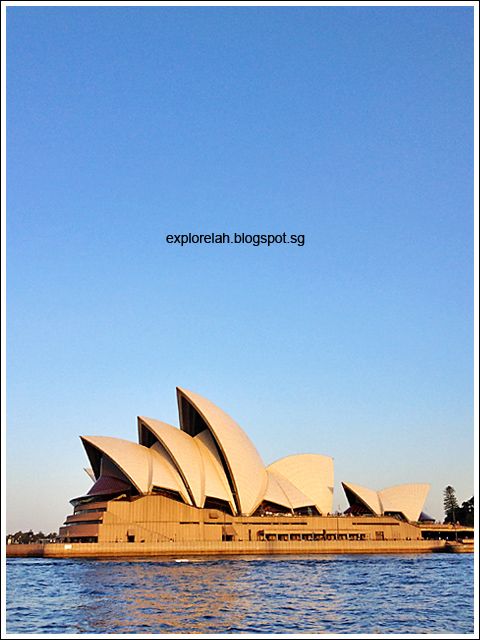
Do get your camera ready to snap photos of the Sydney Opera House and Harbour Bridge as the ferry pulls away from the quayside. 


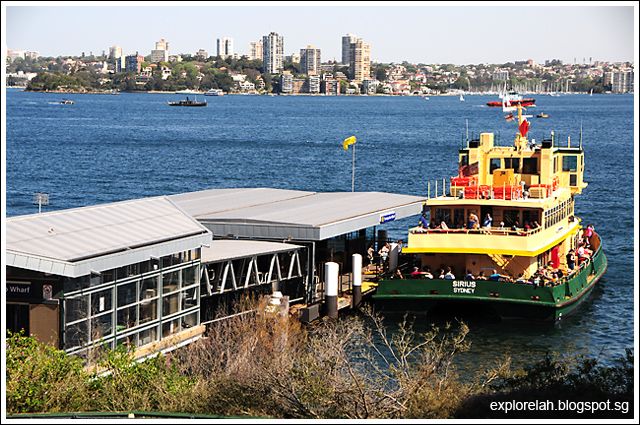
Pictured here is the Taronga Zoo Wharf looking out towards downtown Sydney.
Portraits at Taronga Zoo

Cascading down the side of a hill, the city zoo gathered unique Australian wildlife distributed across the country onto one zoological park that also serves as a vantage lookout point to take in all of Sydney's vibrant cityscape. So the zoo is kind of a two-in-one attraction to see the exotic animals and city view.

Plus, if you took the ferry, you would've drifted across the scenic Circular Quay precinct of Sydney Harbour. And if you stayed till the zoo's closing time, you can catch a sunset on the cruise back (see end of this post)! My camera never had a dull moment.

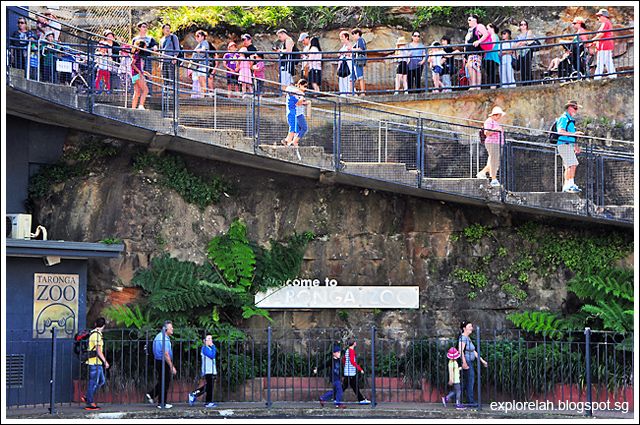
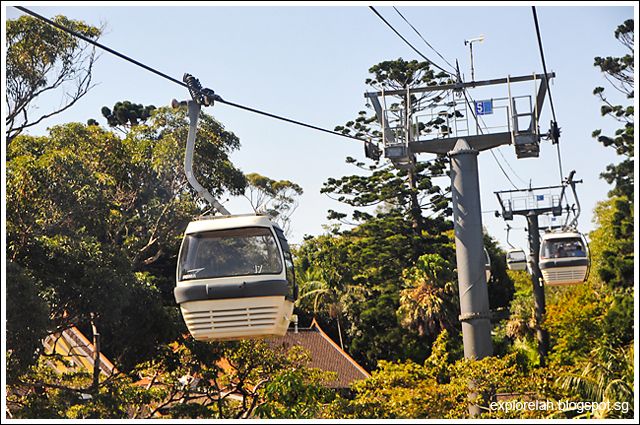
This is not the main entrance of Taronga Zoo but the queue to board a cable car (Sky Safari) to the top of the zoo. If you hold a season pass or bought a packaged ticket at Circular Quay, you can join the queue immediately. Else, go to the main entrance to purchase a ticket.

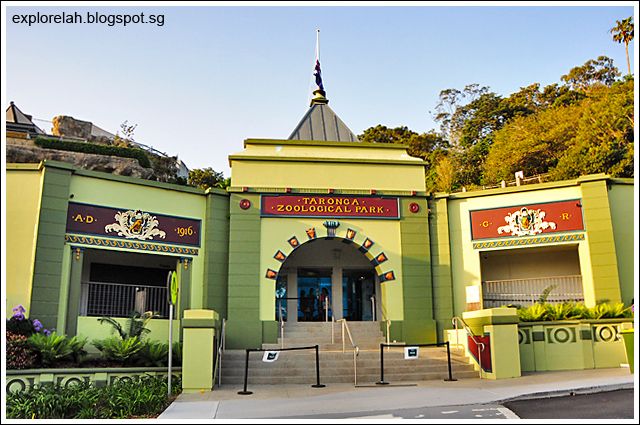
Main entrance of Taronga Zoo. Coming out from the Taronga ferry jetty, to the left is the cable car boarding point and to the right, up a road about 200m away, is the main entrance. This is where you can purchase the admission ticket to the zoo.

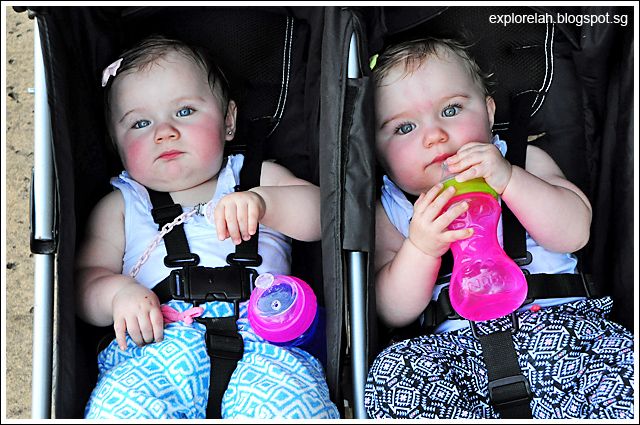
Seeing double... Met this pair of adorable twins while queuing for my cable car ride.

There are 2 ways to visit Taronga Zoo... Take the cable car from the foot of the zoo to the top and sightsee all the way back down, OR enter from the main entrance and sightsee all the way up then take the cable car down.

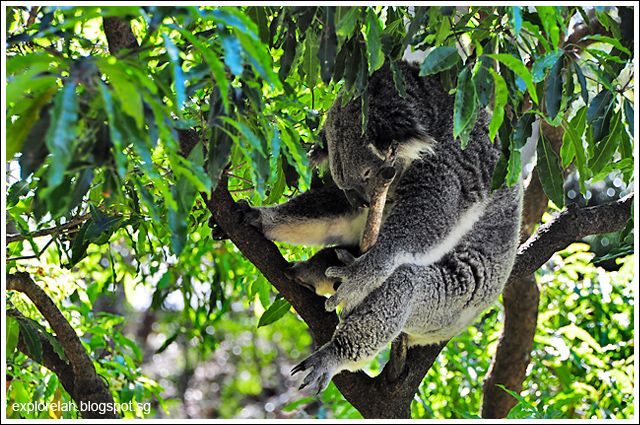
A living mascot of Australia... The Koala bear is actually not a bear but closer in relation to wombats and kangaroos. Due to its highly specialised diet of eucalyptus leaves which are low in nutrients and energy, koalas sleep for up to 20 hours a day and have a small brain compared to other mammals.

Their small brains contribute to slow learning and adaptability which is why captive koalas must be kept with live eucalyptus trees as they will not recognise the trees' leaves and branches when they have been plucked and fed to them, thereby leading to starvation.

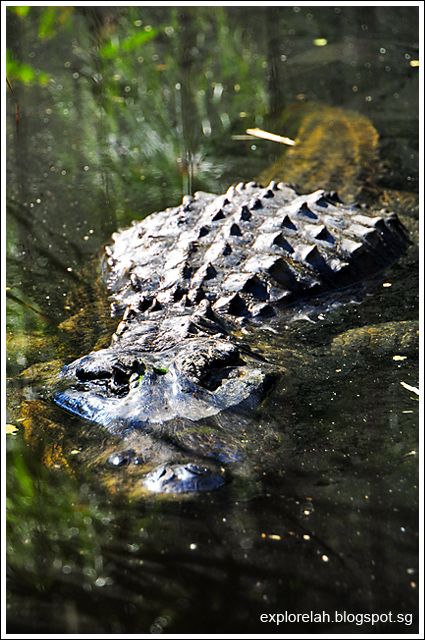
The king of Australia's outback. Not known for lions and tigers, Saltwater (Estuarine) and Freshwater Crocodiles are the top predatory jaws in the continent's tropical wilderness. It is estimated that crocodiles kill an average of 2 persons a year.

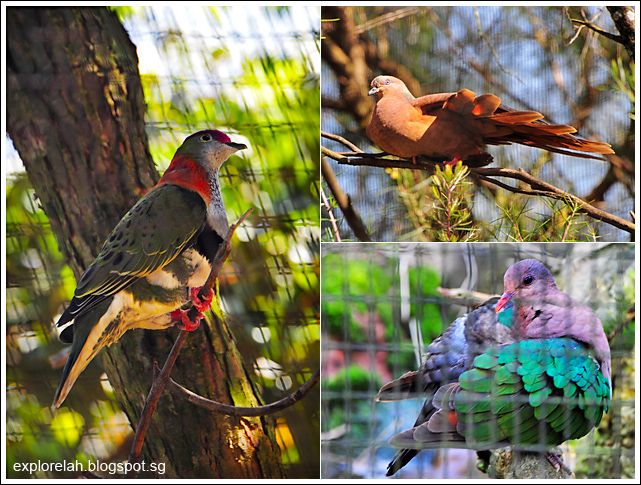
Aviaries within Taronga showcase a kaleidoscope of feathered hues found throughout Australia. My favourite was the Emerald Dove (bottom right) for its electric green wings contrasting with a mauve body.

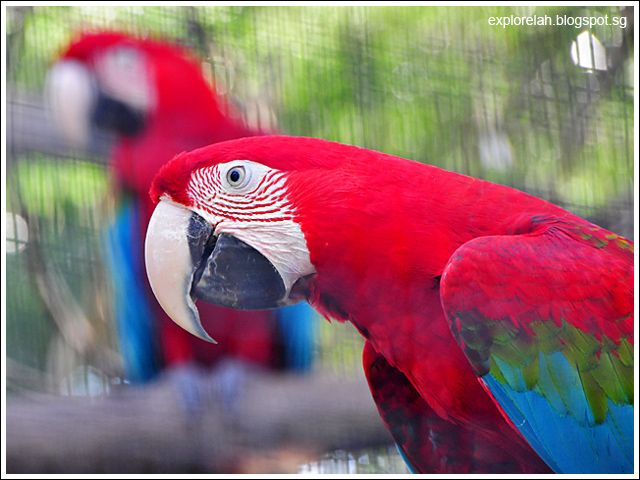
Scarlet Macaw... the facial patterning on macaws are unique like fingerprints.

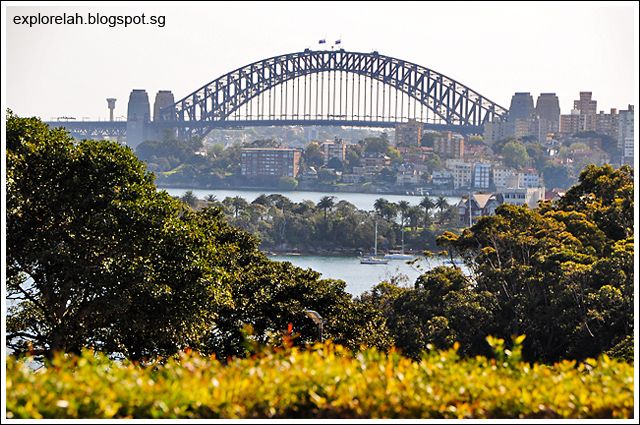
One of the many foliage pockets at Taronga Zoo that offer a beautiful glimpse of Sydney Harbour Bridge and the city skyline.

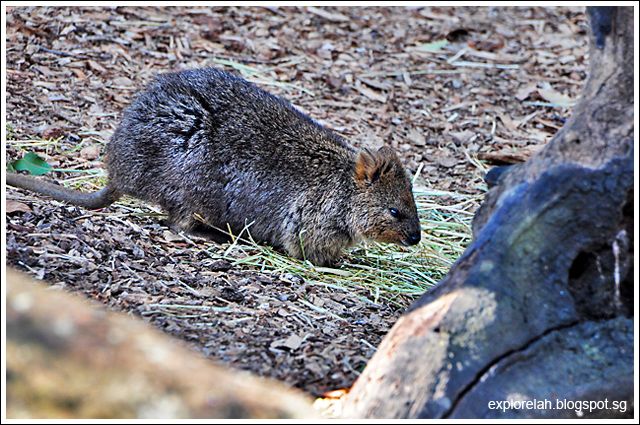
This is not a rat on steroids but the Quokka, a mouse-like relative of kangaroos and wallabies found mostly on Rottnest Island off Perth.

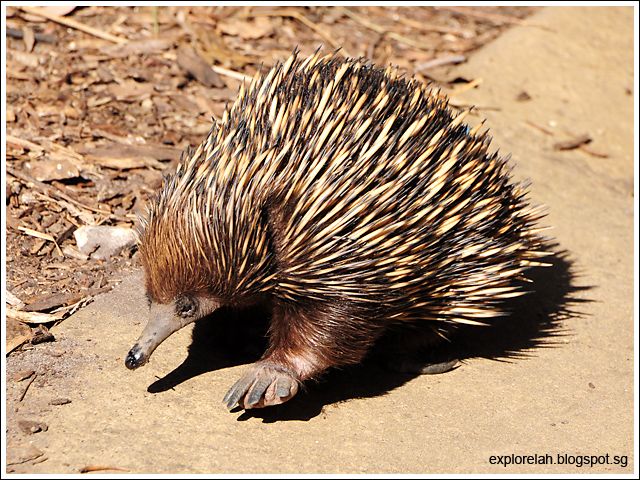
This walking ball of needles is the Short-Beaked Echidna. It is different from the hedgehog (insectivores) and porcupine (a rodent that is herbivorous) in that it feeds on ants and termites and lays eggs instead of live young like the other two spiky mammals. The three are of totally different species who have evolved a similar defense strategy.

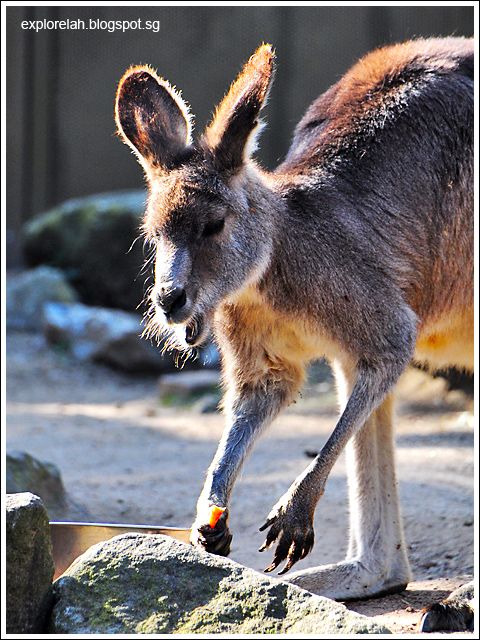
"Never skip your breakfast to jump-start the say," says Mr Kangaroo.

Taronga is zoned into various sections and trails that showcases Australian wildlife in the woodlands, arid regions, wetlands and ocean as well as non-indigenous animals imported from Asia, Africa and other parts of the world.

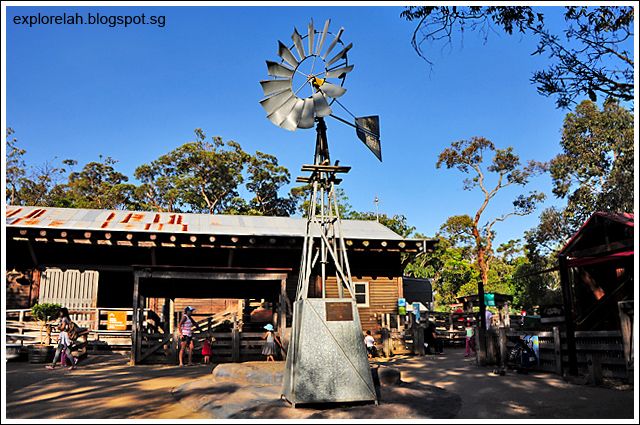
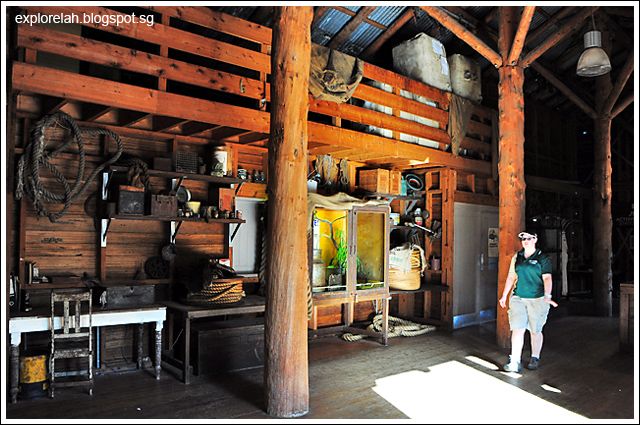
There are also a couple of themed exhibits such as this farm-based one that replicated the barn and ranch complete with livestock.

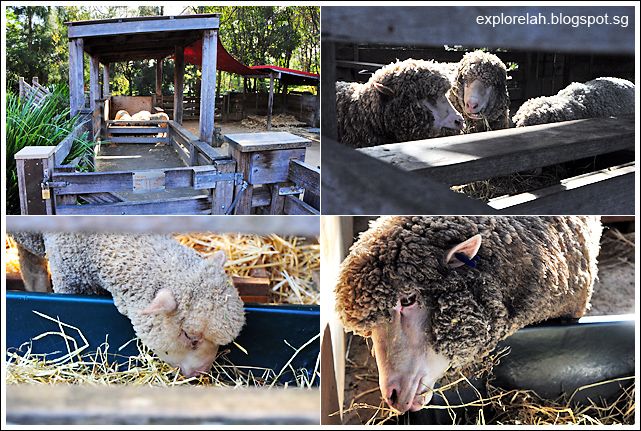
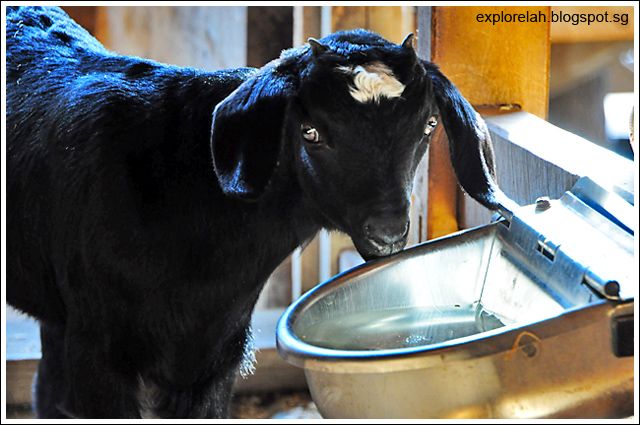
Mutton's gonna stop me from getting close to you! Totally enjoyed the face time with sheeps at the barn where I got to stroke their coats. They never stopped eating the whole time I was there.

Inside the barn is an opportunity to learn about the animals and pests Australian farmers have to deal with.

A kid drinking from a toilet bowl shaped water trough.

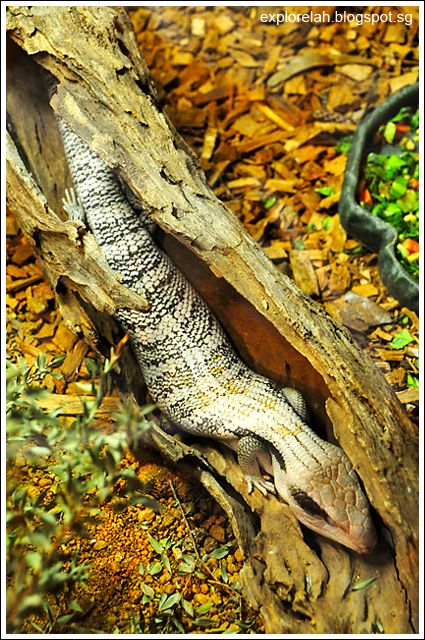
Eastern Blue Tongue Lizard... a skink commonly found in gardens and the open country. Because its legs is hard to see, it is sometimes mistaken as a snake but the brilliant blue tongue within its pink mouth is an identifier of this gentle crawler.

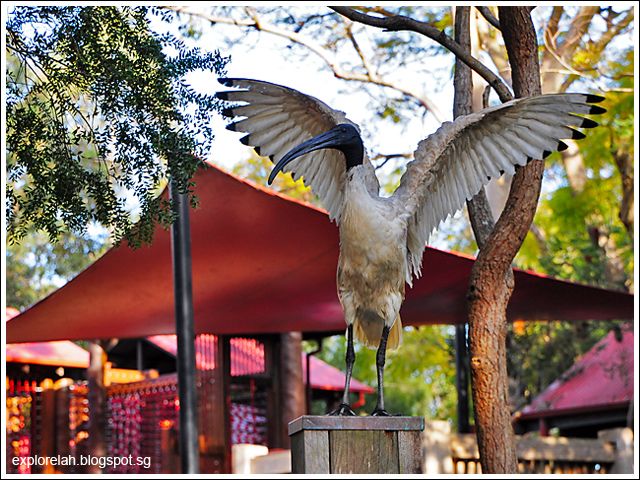
A free-ranging Australian White Ibis doing its best impression of a hawk. These birds are notorious for giving off a foul stench. Perhaps coz they air their armpits so much like in this photo? LOL.

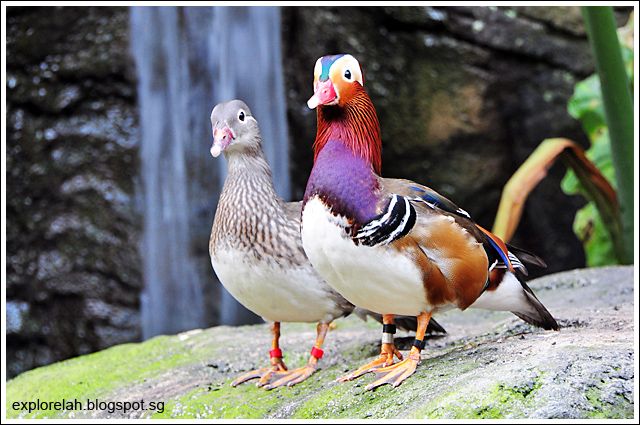
A handsome pair of Mandarin Ducks at an Asian themed enclosed garden.

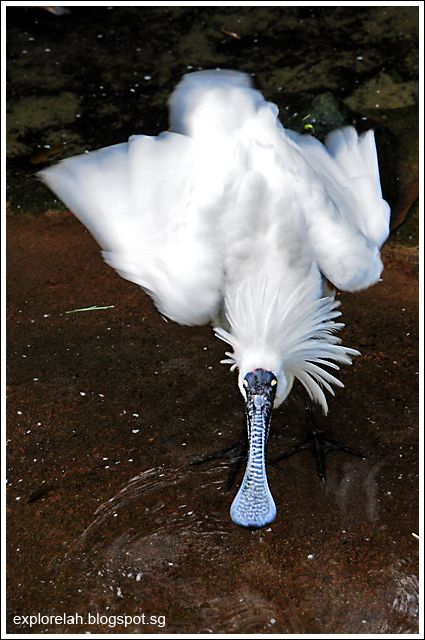
A Royal Spoonbill fluffing its white plumage while sifting the faux pond for an afternoon snack at the Wetland Aviary.

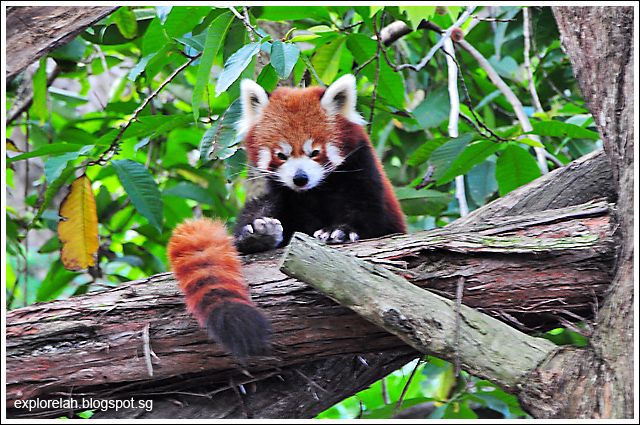
Red Panda sighted at Taronga Zoo!

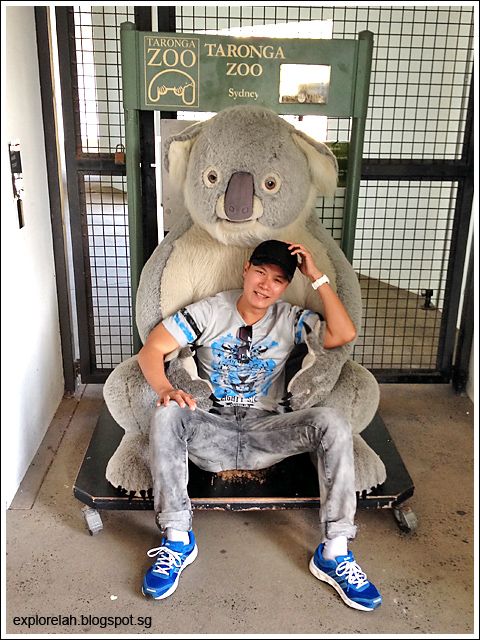
Giant koala plush near the zoo's exit for a huggable photo op. There's a huge kangaroo plush nearby to pose with too.
An Unofficial Sunset Cruise

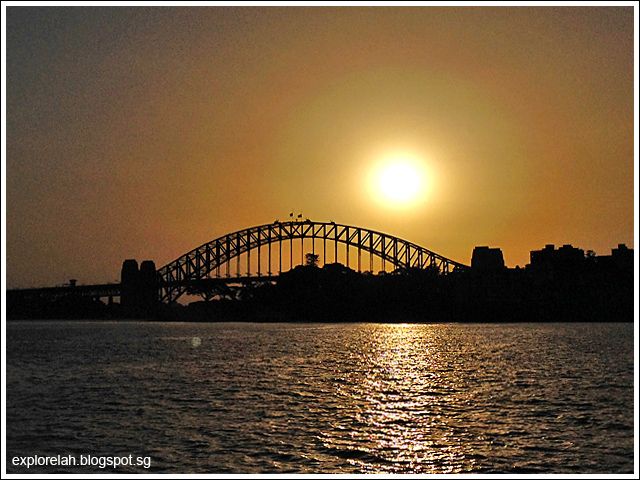
A bonus to visiting Taronga Zoo is that if you stay till its closing time at 5pm and catch the ferry back, depending on the season, the ride will probably coincide with an early sunset. And that becomes something of an unofficial sunset cruise down Sydney Harbour to end a day's outing to meet Australia's wildlife.

Sydney Opera House wrapped in the evening's gold.

5:17pm : The single yolk radiating behind Sydney Harbour Bridge. What a sight to behold and a beautiful full-stop to my visit to Taronga Zoo :o)

Taronga Zoo, Sydney

Address : Bradleys Head Rd, Mosman NSW 2088, Australia
Opening Hours : 9:30am - 5:00pm daily (till 4:30pm from May to August)
Entry Price : A$46.00 (adult) / A$23.00 (child). Price includes Sky Safari cable car ride

Related Posts Plugin for WordPress, Blogger...